
There’s a common assumption in festival planning that staffing is a cost to manage.
In reality, it’s one of the biggest drivers of how your event performs.
Because at a high-volume event, every second of service, every queue, and every customer interaction directly impacts revenue.
And that all comes down to the team you put on the ground.
The Cost Conversation Most Organisers Get Wrong
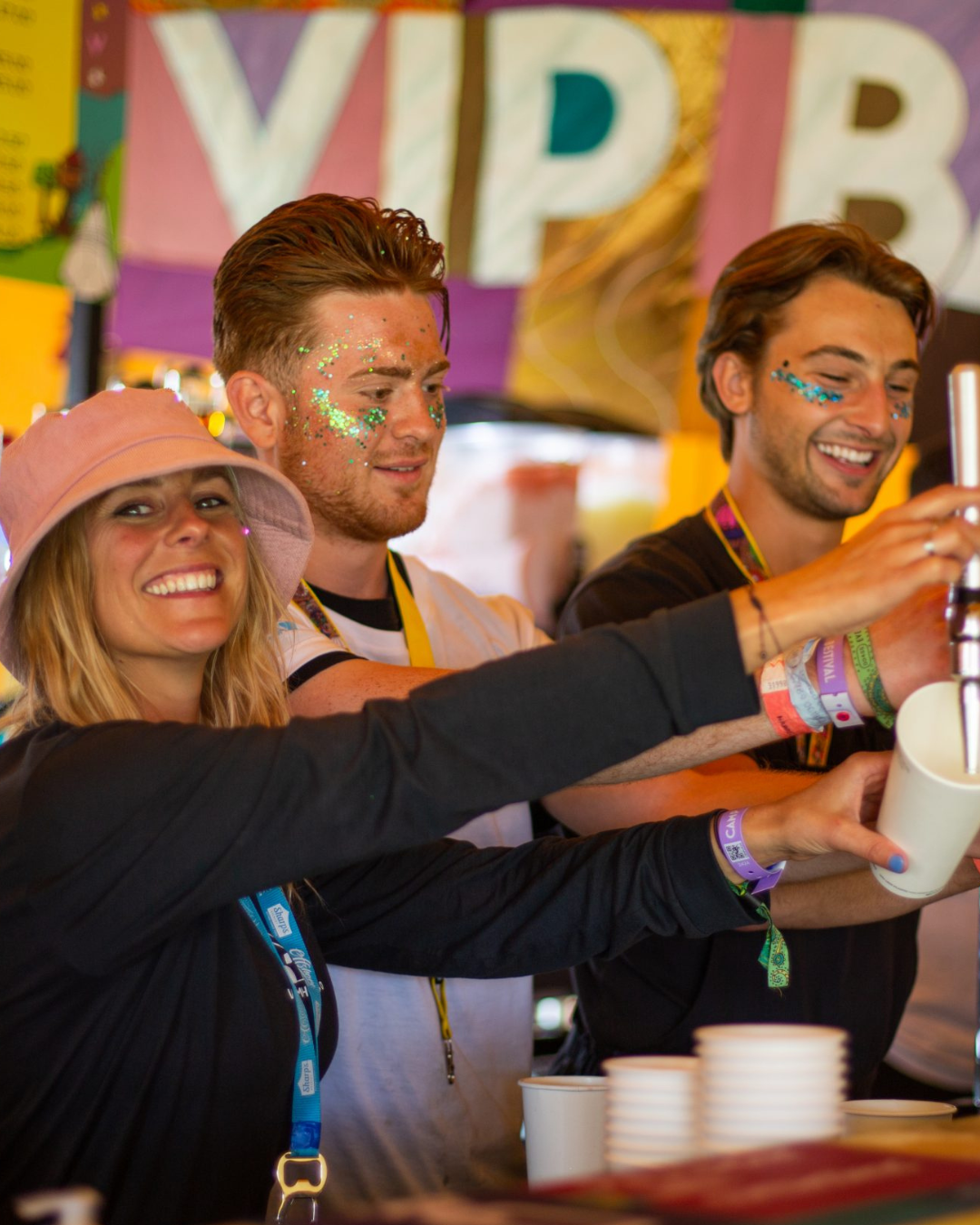
It’s really easy to compare staffing options on paper. One team looks more expensive. Another looks like a quick saving.
But what’s often missed is how quickly that difference disappears once the event starts.
At a busy festival bar, a single round of drinks can cover the cost of the person serving it.
After that, every additional order they take isn’t just service, it’s revenue.
So the real question isn’t “how much does this staff member cost?”
It’s: how quickly can they serve, how confidently can they handle volume, and how many customers can they move through in an hour?
Because that’s where the real value sits.
Why Planning Staffing Early Changes Everything
The best-run festivals don’t treat staffing as a final step.

They build it into the operational plan from the start.
Around 8–10 weeks out, we’re already working with organisers to understand:
how the site will flow,
where the pressure points will be,
and what kind of team is needed to handle that level of demand.
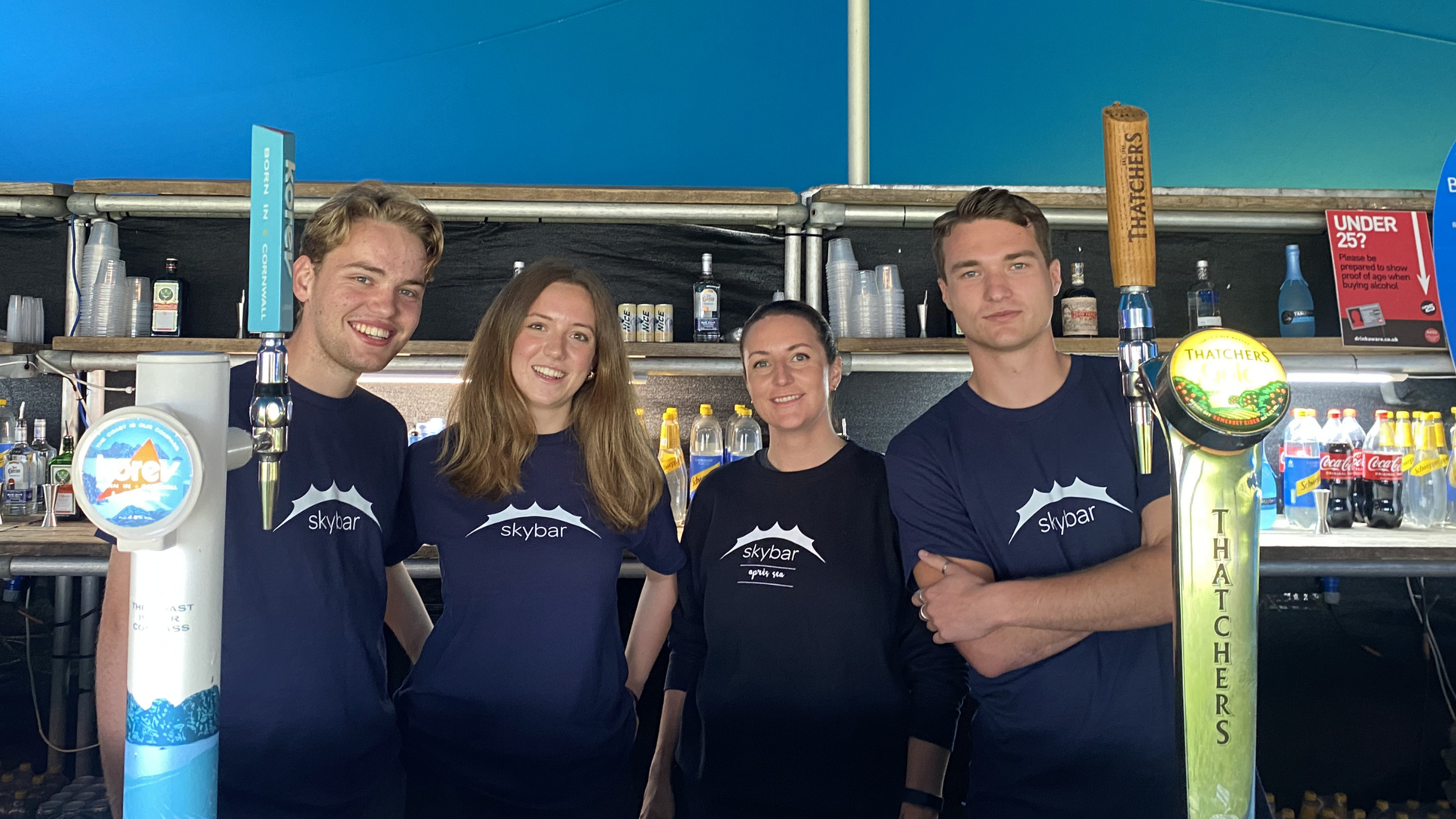
From there, we’re not just filling roles, we’re building a structure.

Who leads each area.
Where experience is critical.
How teams are layered to maintain speed and consistency.
By the time the event is a few weeks away, the focus isn’t on finding people.
It’s on making sure the team is ready to perform.
The Hidden Cost of “Cheaper” Staffing
On the surface, lower-cost staffing can feel like a sensible decision.
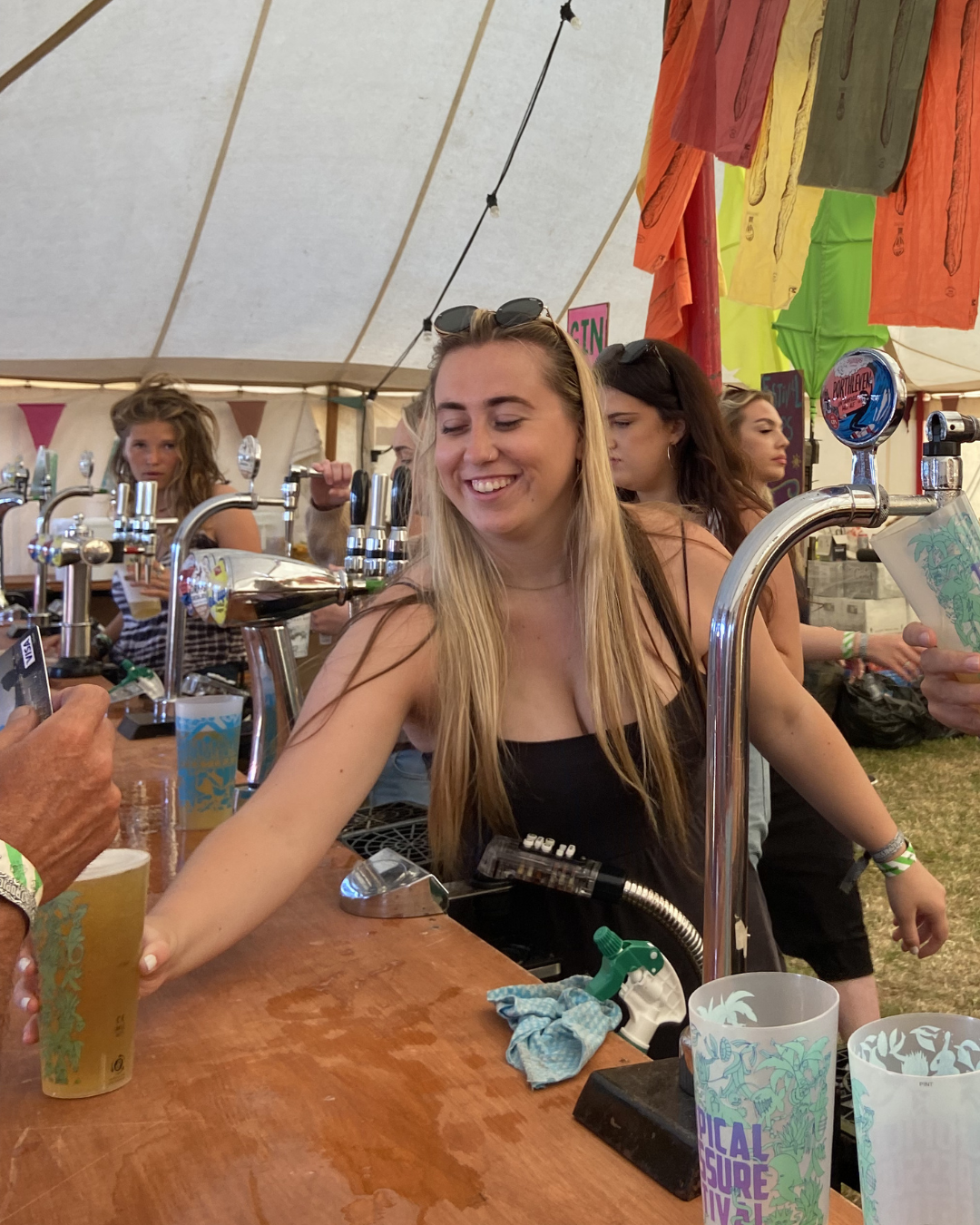
But at scale, the impact shows quickly.
Slightly slower service becomes longer queues.
Longer queues mean fewer orders.
Fewer orders mean lost revenue.
Multiply that across hours of peak trading, and the difference becomes significant.
It’s rarely obvious in a spreadsheet.
But on the ground, it’s the difference between a bar that feels busy and one that feels efficient!
Bar Flow Only Works If the Team Can Deliver It
You can design the perfect bar layout, but it only works if the team behind it knows how to use it properly.
Speed of service isn’t just about positioning, it’s about instinct.

Knowing when to step in.
How to keep drinks moving.
How to handle volume without hesitation.
That level of confidence comes from experience.
And at festival scale, it’s what keeps queues moving and revenue flowing.
Why work with Serve?
We don’t approach staffing as a numbers exercise.
We approach it as a core part of how your event performs.
That means we’re not just supplying people, we’re building teams that are structured to handle volume, maintain consistency, and deliver under pressure.
From the early planning stages, we work closely with organisers to understand how the event will actually run. Where the busiest areas will be, how bars will operate, and what level of experience is needed across the site.
From there, we build a team with purpose.
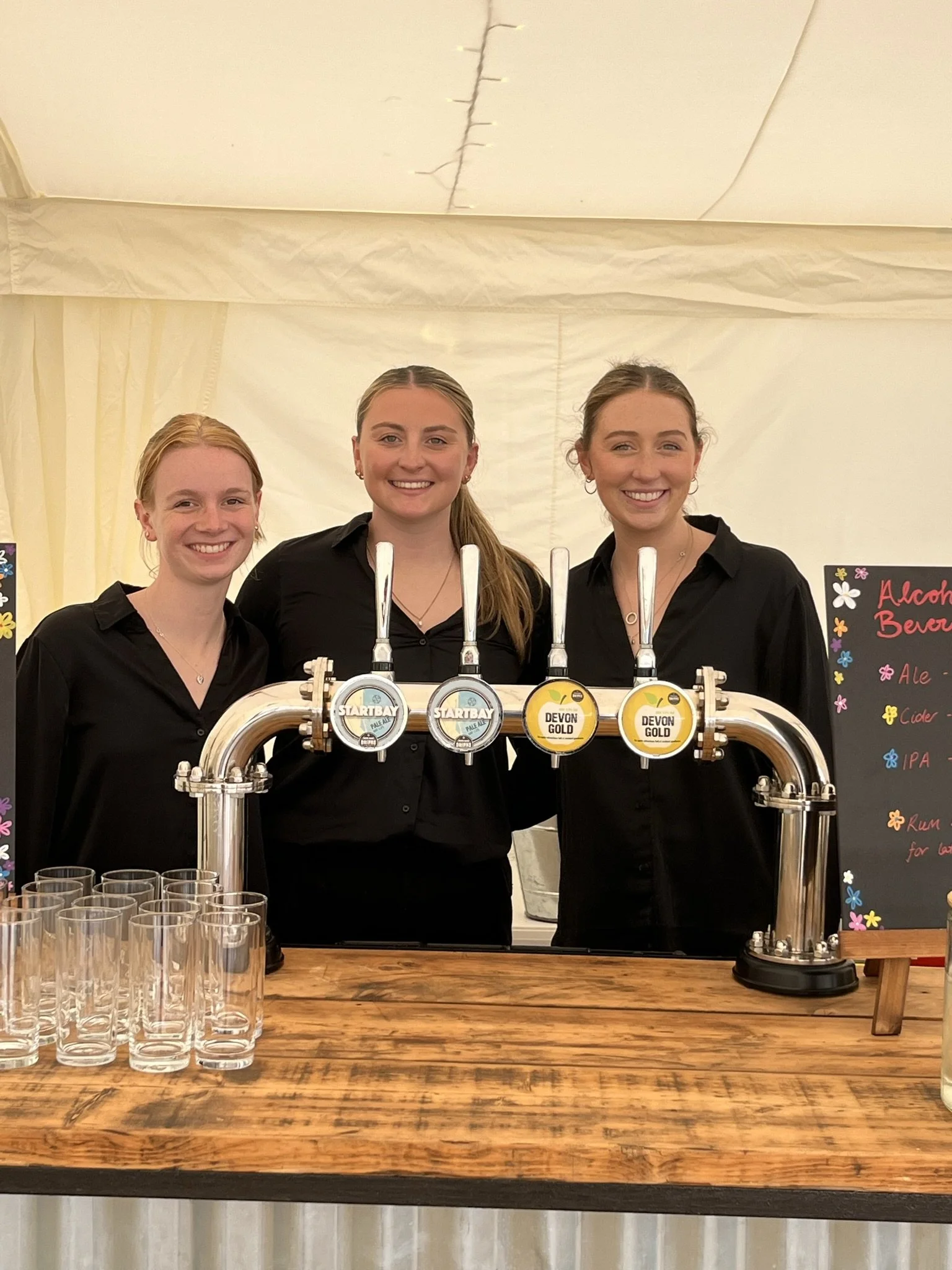
Clear leadership.
The right mix of experience.
A structure that holds across multiple days, not just opening hours.
By the time we’re on site, our teams aren’t figuring things out as they go. They’re briefed, aligned, and ready to deliver from the moment the gates open.
We’re not the cheapest option, and we’re not meant to be.
Because when you look at staffing properly, it isn’t just a cost, it’s a driver of revenue, service, and overall event performance.
So if you’re planning a festival, the real question isn’t how to staff it for less.
It’s what kind of team you need to make it run properly.
And that decision is what shapes everything that follows.
