
There’s a moment at every large event where you can feel whether things are working or not.
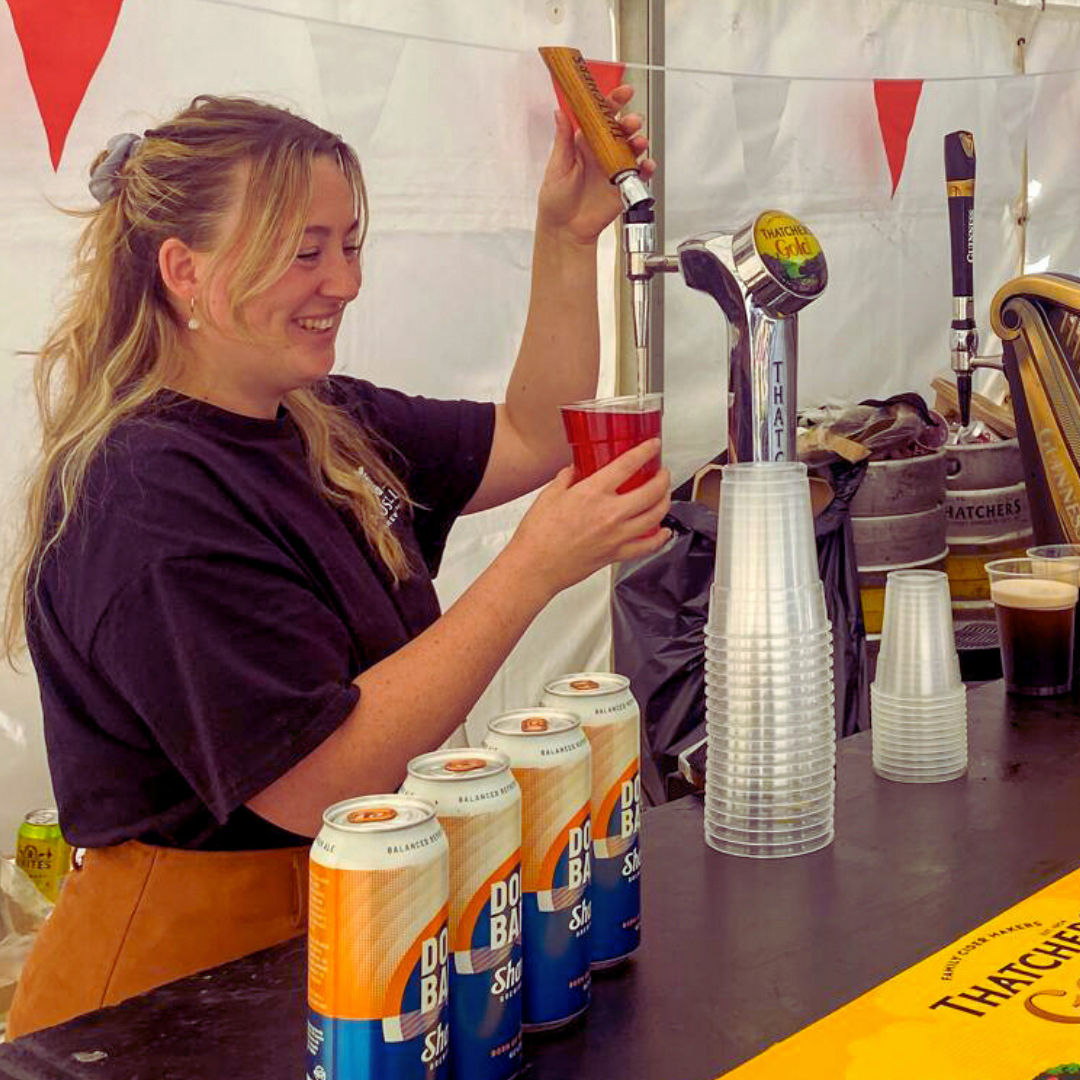
Queues either move smoothly or start to build. Guests either feel looked after or slightly lost. Teams either flow together or look like they’re firefighting.
From the outside, it can look like luck. From the inside, it’s rarely accidental.
Across festivals, match days and corporate events in the South West, we’ve seen that the biggest difference between a busy event and a well-run one almost always comes down to the team behind it.
It’s Not Just About Numbers
One of the biggest misconceptions in large-scale staffing is that more people automatically equals better service.
In reality, structure matters far more than headcount.
The events that run best usually have clearly defined roles:
Bar teams focused purely on speed and service flow.
Front-of-house staff keeping guest movement calm and visible.
Brand ambassadors supporting sponsors and guest engagement.
Support roles working quietly behind the scenes to keep everything moving.
When teams understand their role before the day begins, pressure reduces instantly.
Experience Shows in the Details
At high-volume events, experience isn’t always obvious, but it’s always felt.
Experienced staff don’t just serve drinks or greet guests. They anticipate queues before they form, notice gaps in service before anyone asks, and adjust to the rhythm of the event without needing constant direction.
It’s often the invisible moments that make the biggest difference:
Glasses cleared before tables feel cluttered.
Guests redirected calmly before congestion builds.
Small problems solved quietly before they reach the organiser.
Great service rarely draws attention to itself. That’s usually the point.
Local Teams Understand the Environment
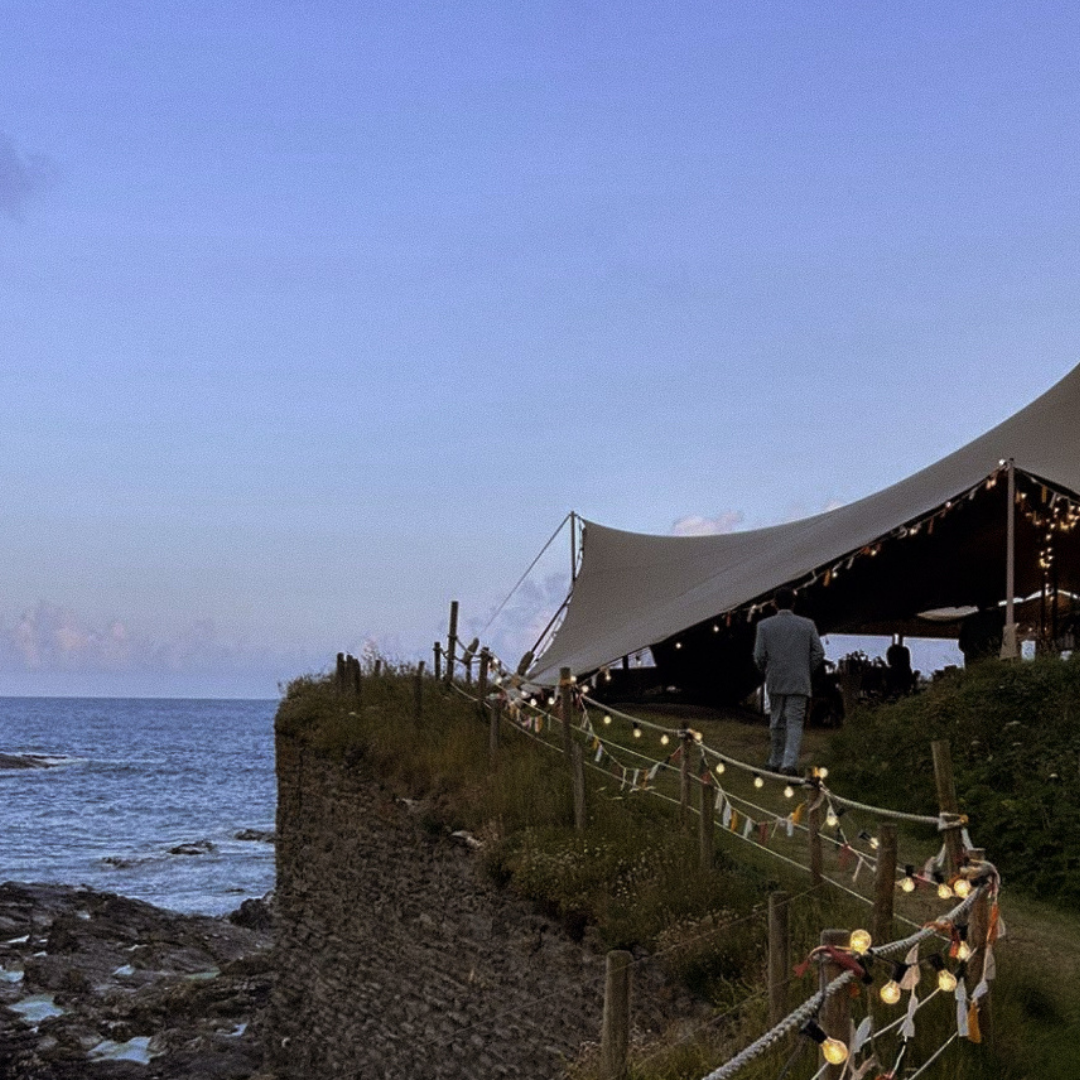
Across the South West, events come with their own challenges. Coastal weather, remote venues, seasonal staffing pressures, and varied guest expectations all shape how a team needs to work.
Local crews bring something that’s hard to replicate with short-term hires brought in from elsewhere. They understand the pace of regional events, the venues, and the working style of local suppliers.
For organisers, that often means less onboarding, fewer surprises, and a more consistent experience for guests.
Why Early Planning Changes Everything
Many of the most stressful situations we see don’t come from the event itself. They come from last-minute staffing decisions.
When teams are planned early, organisers can build structure around service flow rather than reacting to problems later. Clear briefs, realistic timings, and the right mix of skills allow everyone involved to focus on delivery instead of logistics.
It also allows suppliers to collaborate properly, which is often where the best guest experiences come from.
The Real Goal Isn’t Visibility
There’s a common belief that great hospitality teams should stand out.
In reality, the strongest teams often feel almost invisible. They integrate into the wider event, support other suppliers, and create an atmosphere where everything feels calm even when the pace is high.
Guests remember how an event felt. They rarely remember who poured the drinks or cleared the tables.
And when service runs smoothly, that’s usually because the right people were in place long before the doors opened.
A Final Thought
Every event is different, but the patterns behind successful ones tend to look the same.
Clear structure. Experienced teams. Local knowledge. Early planning.
It’s not about making service louder or more visible. It’s about building the kind of team that allows everything else to shine.
